
Charming Kauai Vacation Rentals
View Kauai Vacation Rentals
Operated by Arrived, LLC. Hawaii Real Estate Brokers License number RB 22452
Attractions
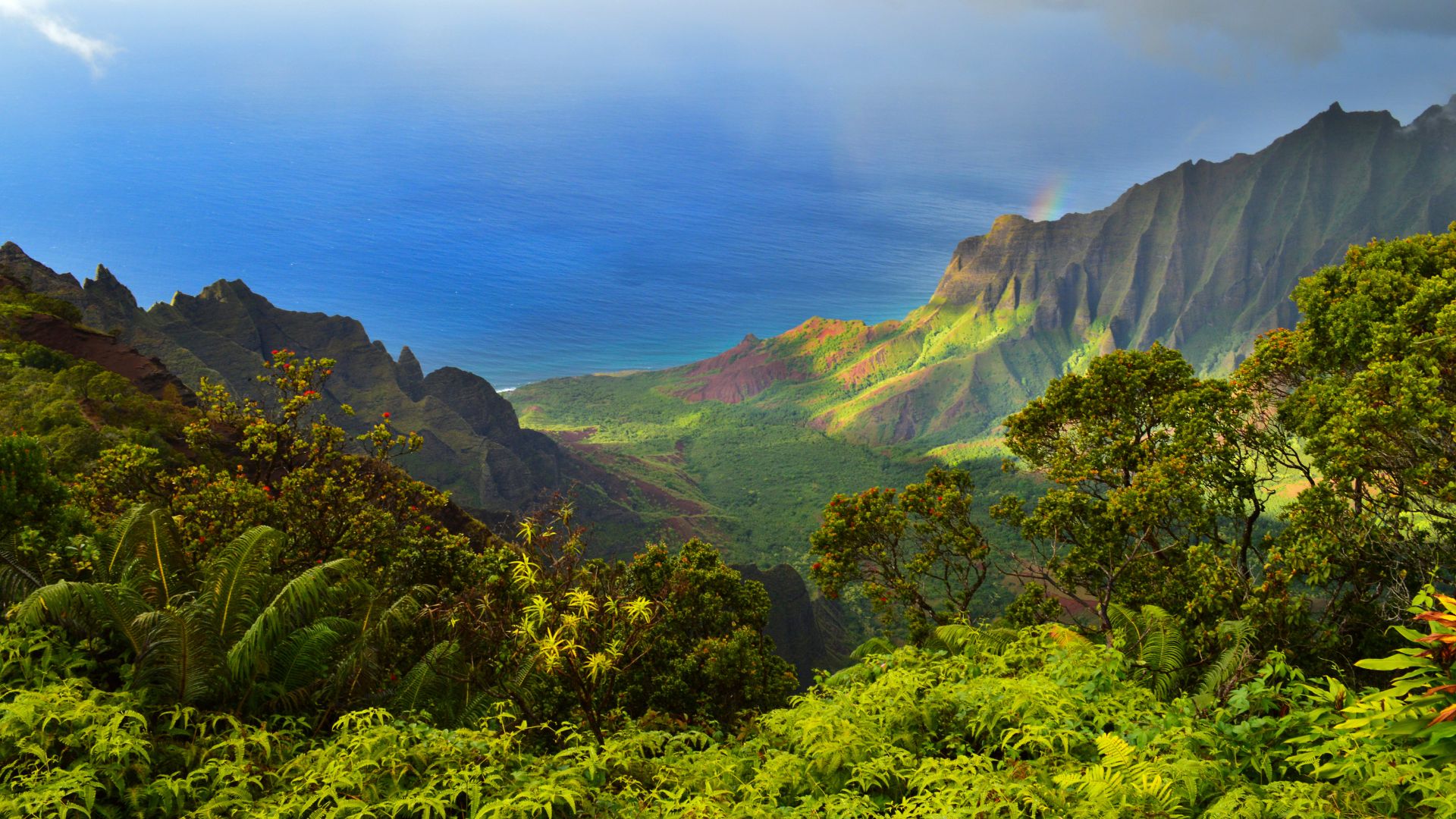
Enjoy more than just your view from your Kauai vacation rental home and explore this slice of paradise! Kauai is nature’s playground, where ancient myths and legends attempt to explain the birth of this paradise island home. Waimea Canyon stretches 14 miles long, one mile wide and more than 3,600 feet deep. The lookout provides panoramic views of crested buttes, rugged crags and deep valley gorges. The grand inland vistas go on for miles. The main road, Waimea Canyon Drive, leads you to the main Waimea Canyon Overlook, offering views of Kauai’s dramatic interior. The road continues into the mountains and ends at Koke‘e State Park and features numerous trails to traverse for beginners and avid hikers.
- Waimea Canyon: Visit Website
- Koke‘E State Park: Visit Website
- Wailua Falls: Visit Website
- Limahuli Garden & Preserve: Visit Website
Attractions
Enjoy more than just your view from your Kauai vacation rental home and explore this slice of paradise! Kauai is nature’s playground, where ancient myths and legends attempt to explain the birth of this paradise island home. Waimea Canyon stretches 14 miles long, one mile wide and more than 3,600 feet deep. The lookout provides panoramic views of crested buttes, rugged crags and deep valley gorges. The grand inland vistas go on for miles. The main road, Waimea Canyon Drive, leads you to the main Waimea Canyon Overlook, offering views of Kauai’s dramatic interior. The road continues into the mountains and ends at Koke‘e State Park and features numerous trails to traverse for beginners and avid hikers.
- Waimea Canyon: Visit Website
- Koke‘E State Park: Visit Website
- Wailua Falls: Visit Website
- Limahuli Garden & Preserve: Visit Website
Beaches
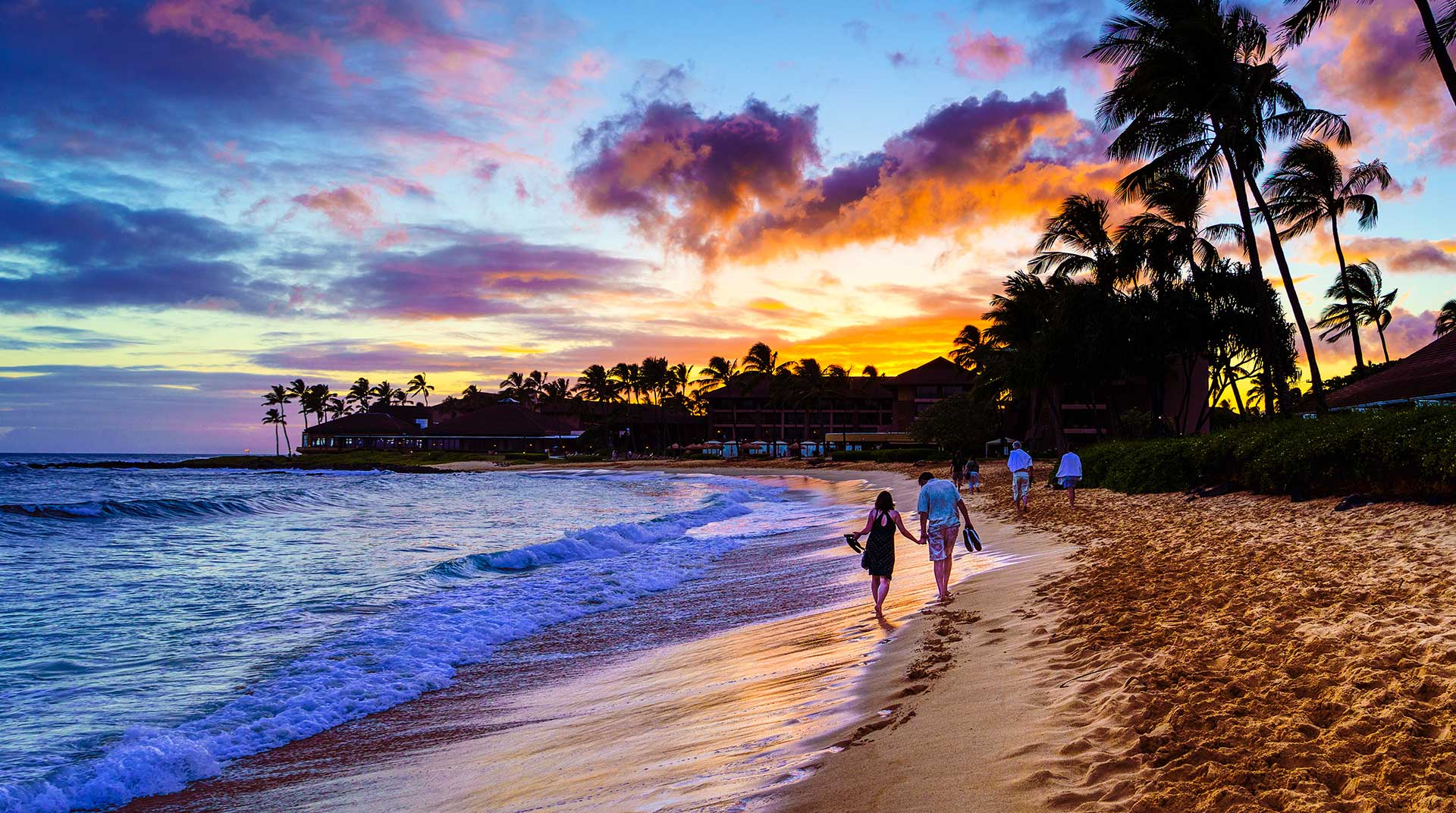
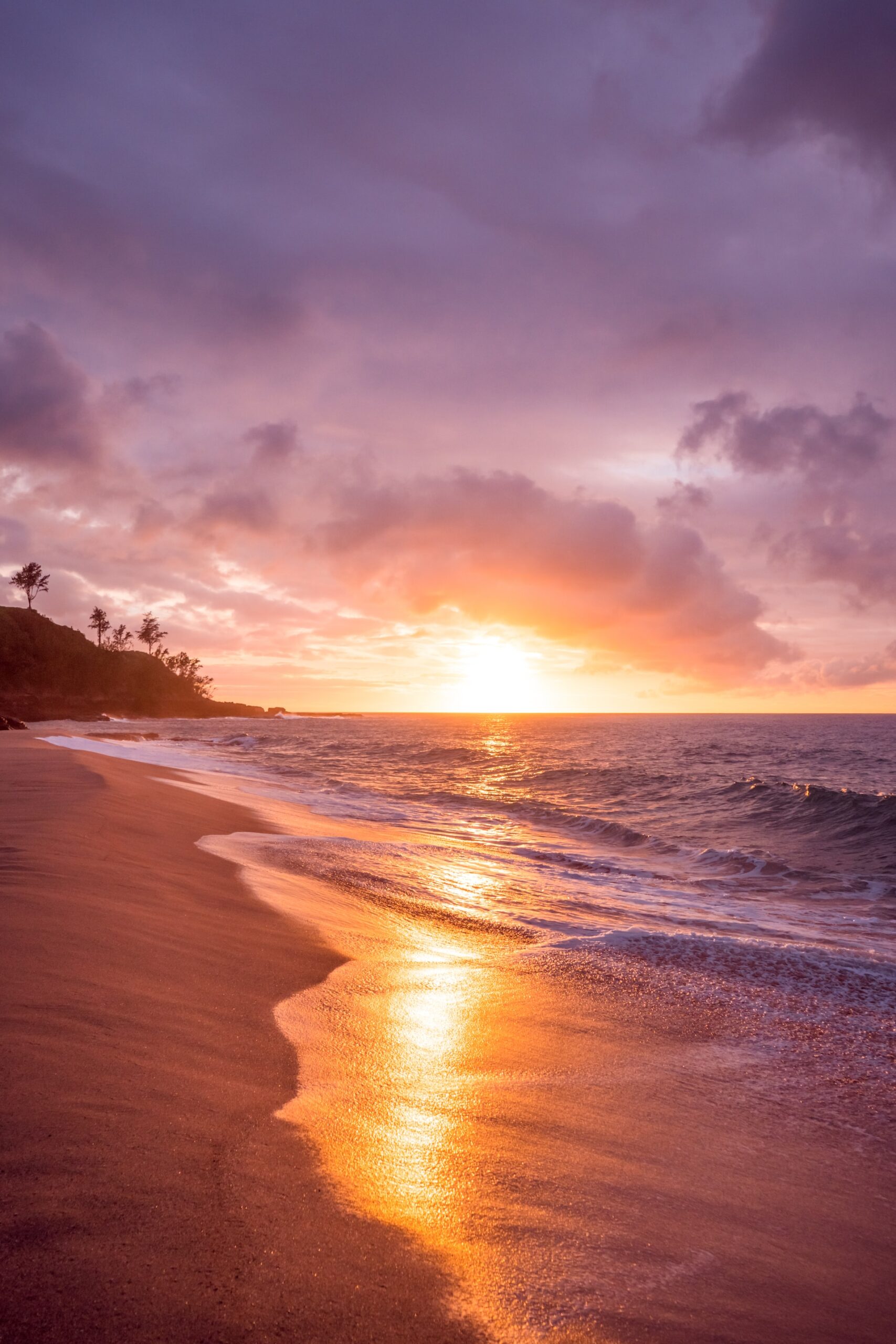
Kauai is home to some of the most beautiful beaches in the world. The diversity of beaches in Kauai provides the ideal setting for those who prefer to relax and slumber, as well as those who want to boogie board, surf, or stand-up paddle board. For those who would like to snorkel, Tunnels Beach has something for everyone. The shallow inner reef is great for the novice and children, while the outer reefs are exhilarating for the more advanced divers and snorkelers.
- Hanalei Bay: Visit Website
- Tunnels Beach: Visit Website
- Poipu Beach: Visit Website
- Kiahuna Beach: Visit Website
Beaches
Kauai is home to some of the most beautiful beaches in the world. The diversity of beaches in Kauai provides the ideal setting for those who prefer to relax and slumber, as well as those who want to boogie board, surf, or stand-up paddle board. For those who would like to snorkel, Tunnels Beach has something for everyone. The shallow inner reef is great for the novice and children, while the outer reefs are exhilarating for the more advanced divers and snorkelers.
- Hanalei Bay: Visit Website
- Tunnels Beach: Visit Website
- Poipu Beach: Visit Website
- Kiahuna Beach: Visit Website
Land Activities
Kauai is renowned for breathtaking scenery, secluded beaches, and towering mountains. To understand the lay of the land, Kauai has four regions – the north, east, south, and west shores – and each region offers several options for those that would like to explore the natural beauty of the land. From ziplining, to horseback riding, to guided hiking tours – even Kauai’s most rugged jungles are accessible for the adventurous. At the end of the day, retreat and relax in your Kauai vacation rental home that offers amazing amenities and comfy beds!
- Kipu Ranch Adventures: Visit Website
- Kauai Hiking Tours: Visit Website
- Kauai Backcountry Adventures: Visit Website
- Silver Falls Ranch: Visit Website

Land Activities
Kauai is renowned for breathtaking scenery, secluded beaches, and towering mountains. To understand the lay of the land, Kauai has four regions – the north, east, south, and west shores – and each region offers several options for those that would like to explore the natural beauty of the land. From ziplining, to horseback riding, to guided hiking tours – even Kauai’s most rugged jungles are accessible for the adventurous. At the end of the day, retreat and relax in your Kauai vacation rental home that offers amazing amenities and comfy beds!
- Kipu Ranch Adventures: Visit Website
- Kauai Hiking Tours: Visit Website
- Kauai Backcountry Adventures: Visit Website
- Silver Falls Ranch: Visit Website
Water Activities
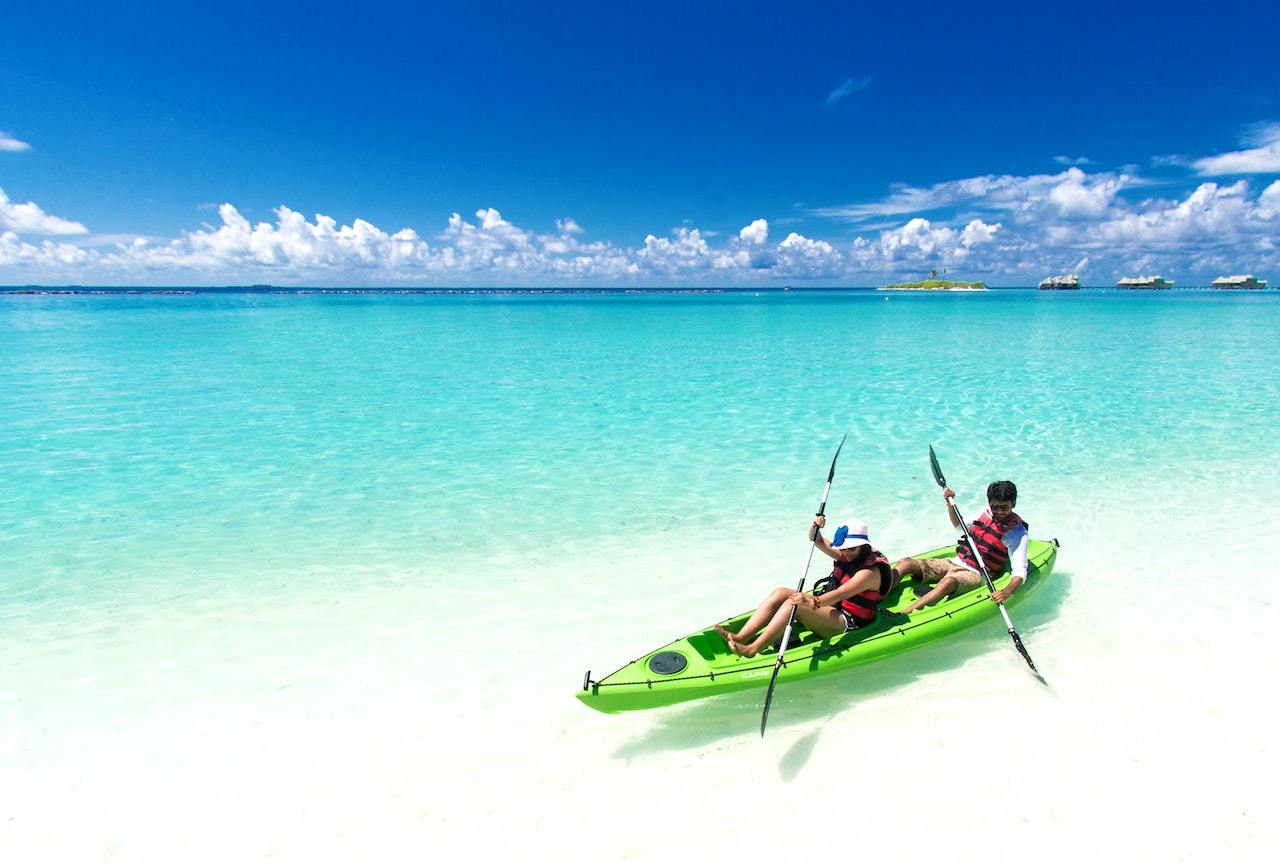
Kauai’s water activities provide the thrill of non-stop action and fun by experiencing a completely different perspective of the island. The options are endless – snorkel and explore ocean reefs with tropical fish, try surfing, go on a whale watching expedition, sail alongside dolphins or take a beautiful sunset sail.
- C. Andy’s Sailing Adventures: Visit Website
- Blue Dolphin Charters: Visit Website
- Makana Charters And Tours: Visit Website
- Kayak Adventures: Visit Website
Water Activities
Kauai’s water activities provide the thrill of non-stop action and fun by experiencing a completely different perspective of the island. The options are endless – snorkel and explore ocean reefs with tropical fish, try surfing, go on a whale watching expedition, sail alongside dolphins or take a beautiful sunset sail.
- C. Andy’s Sailing Adventures: Visit Website
- Blue Dolphin Charters: Visit Website
- Makana Charters And Tours: Visit Website
- Kayak Adventures: Visit Website
Golfing
Whether you bring your clubs for several rounds or rent a set for just one round, Kauai provides a once in a lifetime golfing experience. Home to some of the best public and resort courses in America, the most scenic and stunning golf awaits you on the island of Kauai. When you book a Kauai vacation rental home from us, we can offer recommendations on the best activities on the island and the best golf courses around!
- Princeville Makai Golf Course: Visit Website
- Poipu Bay Golf Course: Visit Website
- Ocean Course at Hokuala: Visit Website
- Puakea Golf Course: Visit Website

Golfing
Whether you bring your clubs for several rounds or rent a set for just one round, Kauai provides a once in a lifetime golfing experience. Home to some of the best public and resort courses in America, the most scenic and stunning golf awaits you on the island of Kauai. When you book a Kauai vacation rental home from us, we can offer recommendations on the best activities on the island and the best golf courses around!
- Princeville Makai Golf Course: Visit Website
- Poipu Bay Golf Course: Visit Website
- Ocean Course at Hokuala: Visit Website
- Puakea Golf Course: Visit Website
Service Title
Lorem ipsum dolor sit amet, consectetur adipiscing elit, sed do eiusmod tempor incididunt ut labore et dolore magna aliqua. Ut enim ad minim veniam, quis nostrud exercitation ullamco laboris nisi ut aliquip ex ea commodo consequat.

Search by Bedroom

Search by # of Guests

Search by Amenity




Luxury Lineup of Vacation Rentals in Kauai
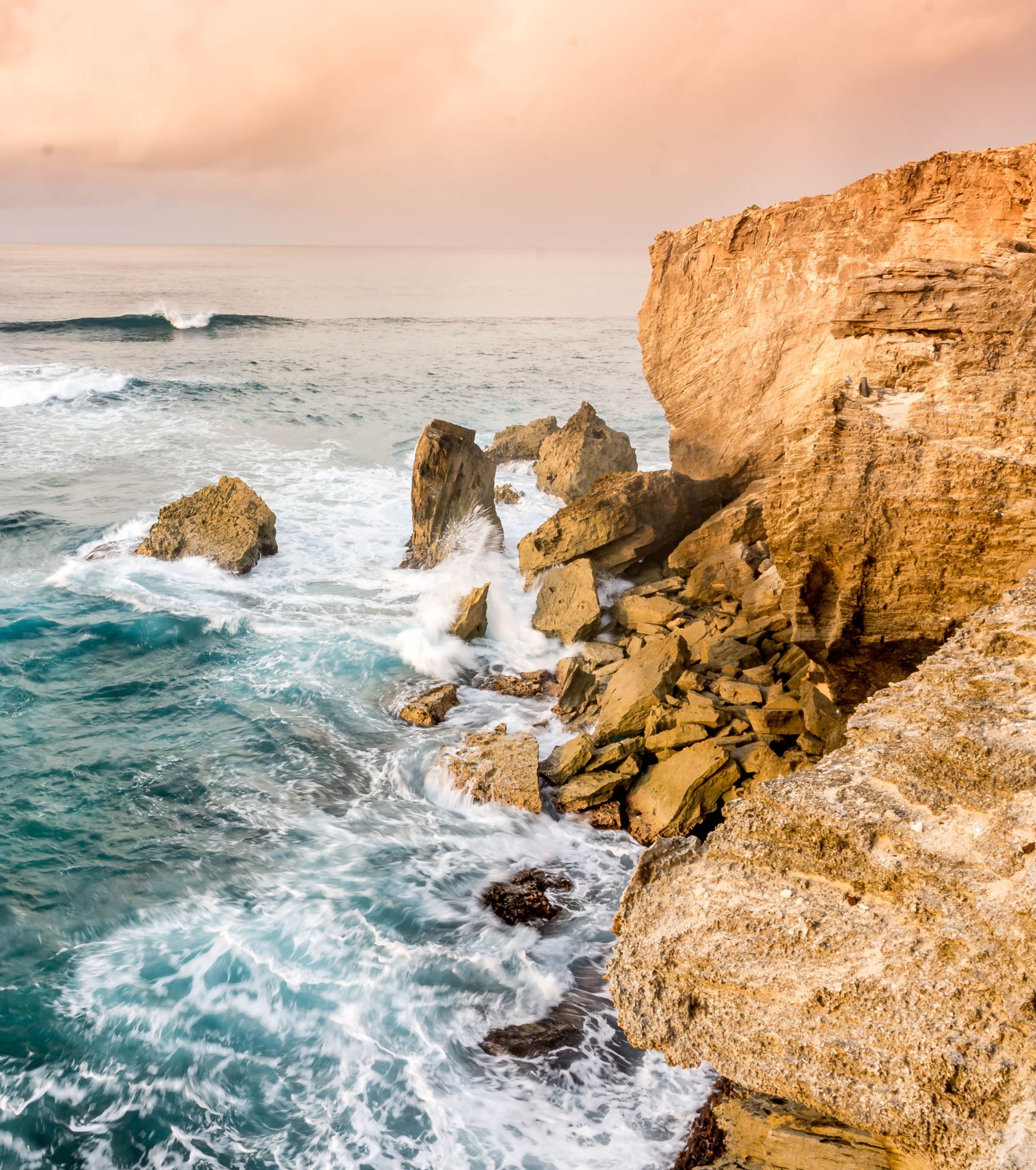
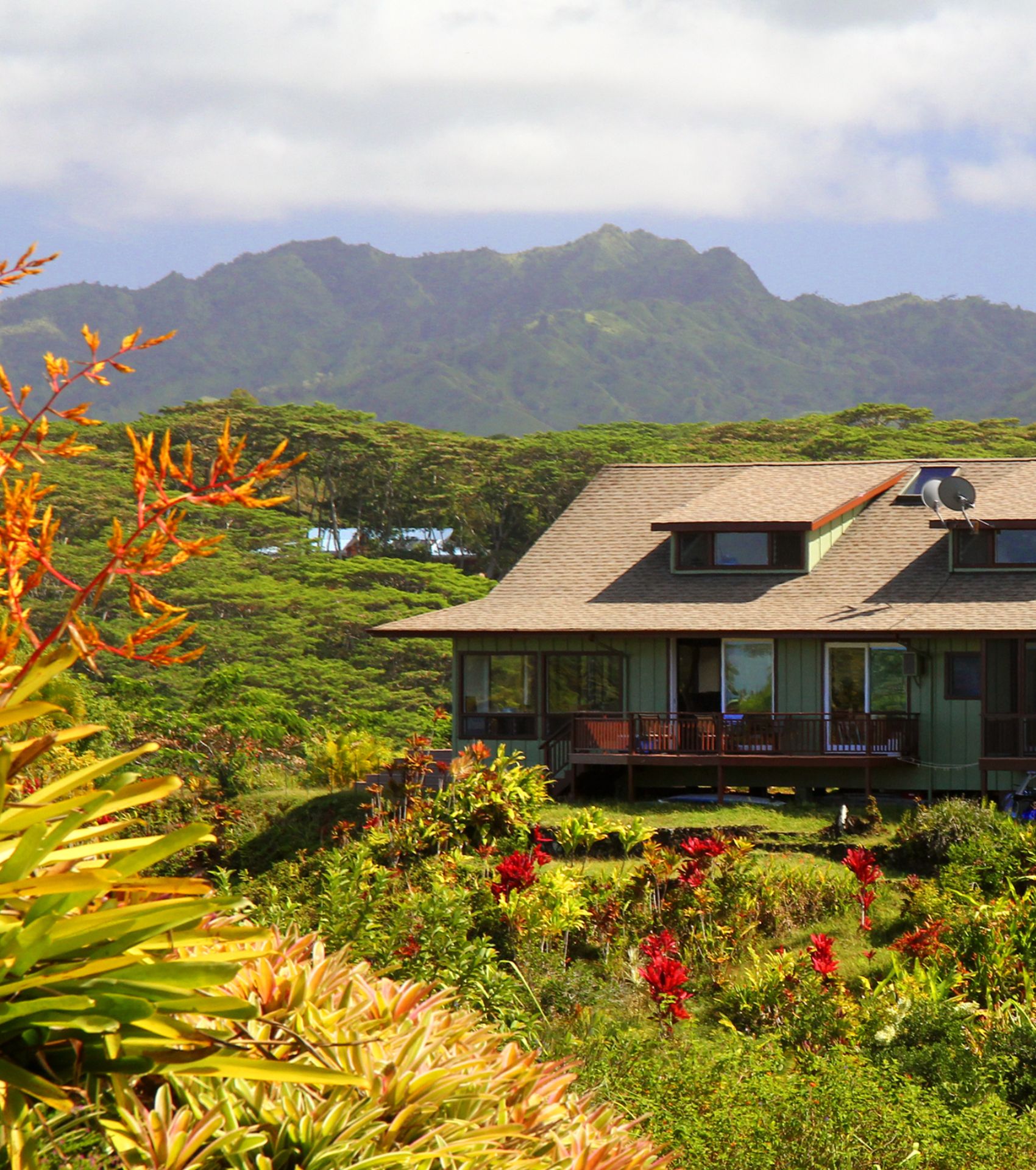
We offer Kauai rentals for every vacation style and budget, from the charming towns nestled along the rugged coastline of the North Shore to the sun soaked beaches of southern Kaua‘i. Our mission is to provide you premium accommodations sure to make you feel right at home while simultaneously providing you a resort-style experience with world class luxuries and amenities. For large events, or small family vacations, we have an option for you! Choose from exclusive resort-style properties with ocean views or opt for the tropical privacy of the exotic gardens on private resorts spanning miles of pristine beaches. Choose from smaller one or two bedroom rentals for small groups, and our 4 bedroom homes for larger families. Your Kauai Hawaii Vacation home in paradise is convenient to explore the incredible sights and activities the Garden Isle has to offer, with relaxing peace and quiet included, free of charge. These are perfect for those working from home or taking online classes while on vacation!

Home in The Islands
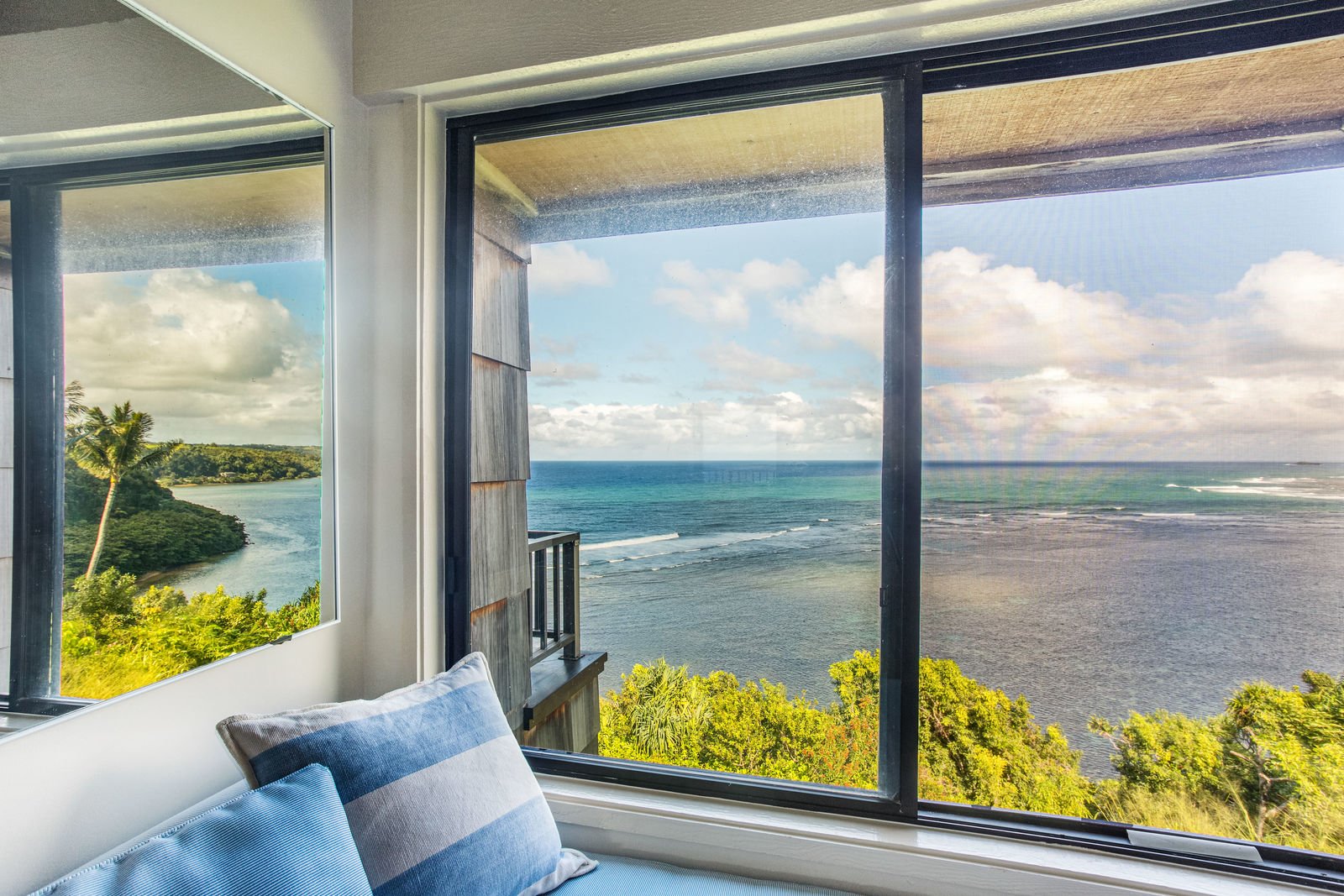
Every Kauai vacation rental in our catalog is beautifully decorated in tasteful Hawaiian style with comfortable furniture, fully appointed modern kitchens, and the latest in high-tech entertainment and home theaters (including complimentary Wi-Fi). Open floor plans are perfect for social gatherings or simply lounging with a refreshing drink and your favorite book. Panoramic windows let in tropical island breezes, with air conditioning available (though rarely needed). There’s no better way to get away from the cold than our rental homes. We know you’ll love the spacious outdoor entertaining areas on your private lanai or backyard garden, the ideal spot for family get-togethers and cookouts. Whether you opt for stunning views of the rugged mountains or panoramic coastal vistas in our Kauai vacation rentals, breathtaking scenery awaits out every floor-to-ceiling window. If you choose one of our oceanfront residences, you can fall asleep to the sound of the waves just outside your master suite, and then enjoy the sight of dozens of waterfalls cascading down the sheer cliffs on the nearby mountains. On this island of incredible beauty, million-dollar views are free of charge, and never far away.
Local Area Guide





Charming Kauai Vacation Rentals
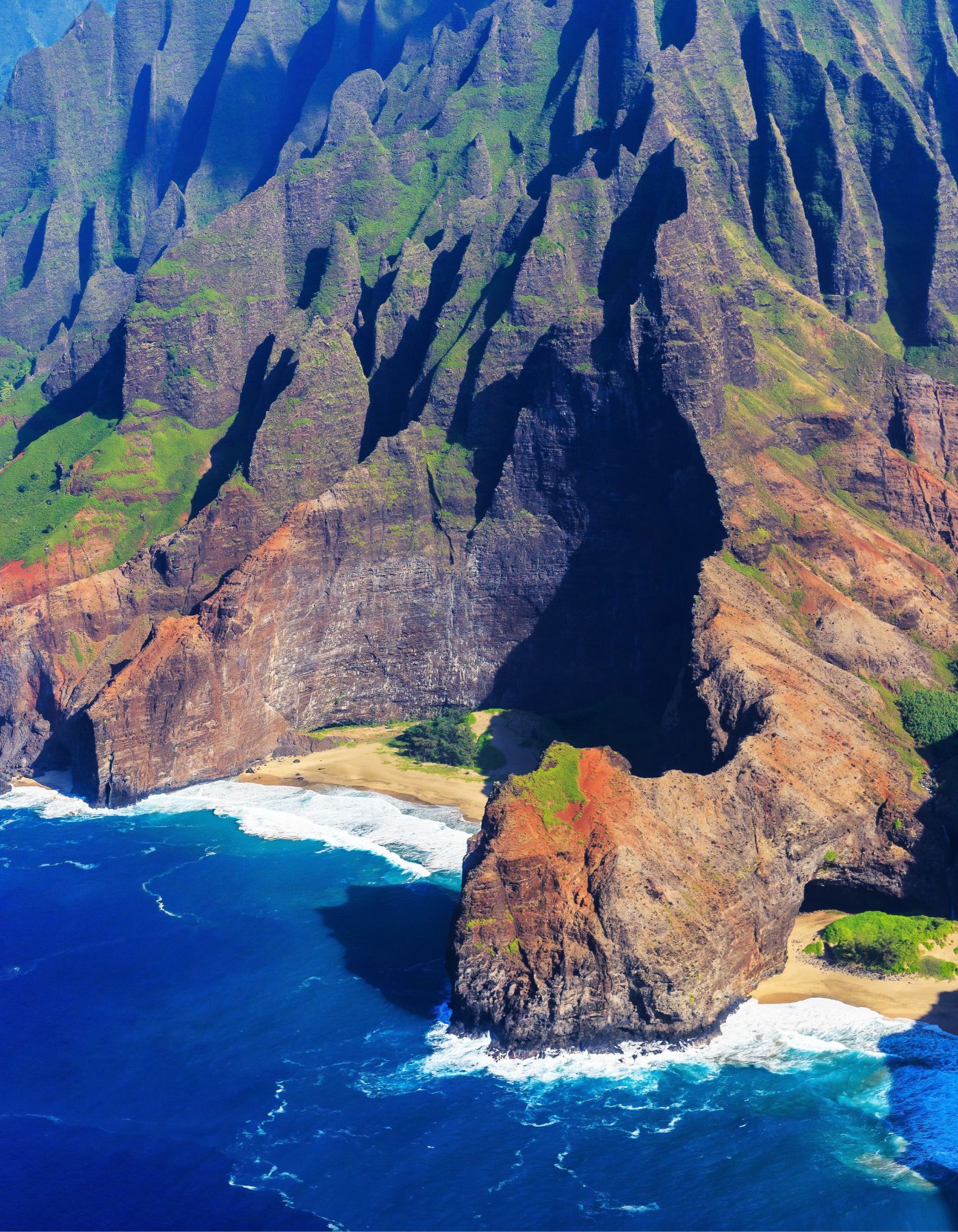
From the towering heights of majestic emerald green mountains to the pristine golden sands of secluded beaches, Kaua‘i is paradise, perfected. Whether you come during the winter season to watch the legendary waves, during the clear spring months to hike the rugged Kalalau Trail on the picturesque Na Pali Coast, or to enjoy the beautiful beaches of summer, we are proud to offer a wide selection of vacation rentals that are perfect for your next Hawaiian vacation. Our catalog features a premium line of cozy studios, luxury condos, air-conditioned houses, and designer private homes for groups, all with beautiful ocean or mountain views and the perfect blend of comfort, convenience, and value when you book the best Kauai vacation rentals.
BOOK OUR VACATION RENTALS IN KAUAI BELOW

 Bedrooms |
 Baths |
 Guests
 Why Arrived?
With a wide selection of luxury villas and vacation rental styles island-wide, we offer one of the largest selections of premium rental properties on Kaua‘i. For the past 15 years we have prided ourselves on providing the ultimate vacation experience in the best vacation rentals in Kauai, at the absolute best prices. Whether you need a short term option, or you plan to stay for a while, we have the rental home for you. Explore our 100+ listings online or use our search engine to help you find the perfect Kauai vacation rentals for your next trip to paradise, then book direct through us and save, today!
Kauai is the oldest of the main Hawaiian Islands and is nicknamed the “Garden Island.” You can decide on something different every day. Visit a waterfall, hike a jungle trail, snorkel a tranquil reef, float on your back and stare at the open sky, or sit on a beach and watch the sunset until the milky way appears. At the end of the day, rest and get ready for your next adventures in one of our cozy and beautiful vacation rentals in Kauai, Hawaii.
Visit the Kilauea Point National Wildlife Refuge and Lighthouse, drive the short distance to Princeville, then and take the short hike to Queen’s Bath. Another spectacular short jungle hike is to the Sea Lodge Beach. Be sure to go to Hanalei Bay, named one of the top ten beaches in the world. Hanalei Bay consists of nearly two miles of beach, surrounded by mountains.
Stop by Wailua Falls, a stunning place used as film locations and is most recognized in the opening credits of the long-running television show “Fantasy Island.” The West Side is home to a few of Kauai’s most historic places and scenic wonders, the most famous of which is the breathtaking Waimea Canyon, the “Grand Canyon of the Pacific.” Head north beyond the gorges and cliffs of Waimea Canyon and visit Kokee State Park. These are only a few examples of the many adventures awaiting you on the island of Kauai. Our Kauai vacation rental homes are ready to welcome you so start planning your vacation today!